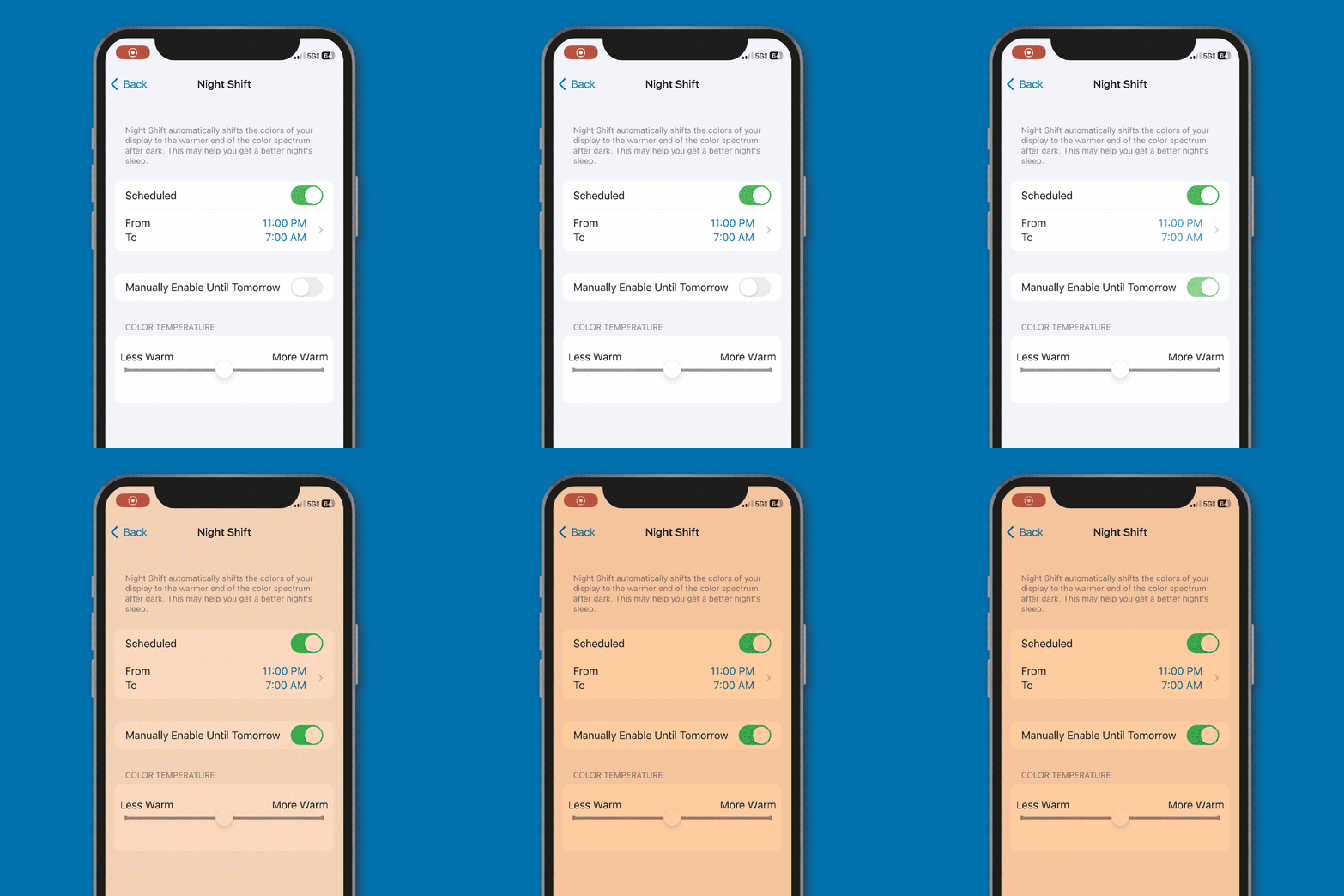
Understanding Blue Light: How It Affects Your Eyes and Sleep
Blue light is a high-energy visible light that is emitted by digital screens such as smartphones, tablets, and computers, as well as by energy-efficient lighting. While exposure to blue light during the day is beneficial as it helps to regulate our circadian rhythm, excessive exposure, especially in the evening, can have negative effects on our health. Research indicates that blue light can contribute to digital eye strain, causing discomfort and fatigue among individuals who spend prolonged hours in front of screens. Symptoms may include blurred vision, dry eyes, and headaches, making it essential to understand how to mitigate these effects.
Moreover, blue light can significantly impact our sleep quality. Studies have shown that exposure to blue light after sunset interferes with the production of the sleep hormone melatonin, which can lead to difficulties in falling asleep and disrupted sleep cycles. To promote better sleep hygiene, it is advised to limit screen time before bedtime and utilize blue light filters or glasses designed to block blue light emissions. By being mindful of our exposure to blue light, we can protect our eyes and improve our overall sleep health.
Counter-Strike is a popular tactical first-person shooter that has shaped the competitive gaming landscape. Players engage in intense team-based matches where strategy, teamwork, and precision are key to victory. For long gaming sessions, you might want to consider Top 10 Phone Accessories for Eye Strain to maintain your comfort and performance.
The Benefits of Using a Blue Light Filter: Is It Worth It?
In today's digital age, prolonged exposure to screens is a common part of daily life. One of the primary concerns associated with extended screen time is blue light emission, which can disrupt sleep patterns and cause eye strain. The benefits of using a blue light filter include reducing eye fatigue and improving overall visual comfort. By filtering out the blue light wavelengths emitted by devices like smartphones, tablets, and computer monitors, users can experience less discomfort during prolonged use and a reduction in symptoms of digital eye strain.
Moreover, a blue light filter can contribute to better sleep quality. Studies show that exposure to blue light, particularly in the hours leading up to bedtime, can impair the body's natural circadian rhythm. This can make it difficult for individuals to fall asleep and achieve restorative sleep. By utilizing a blue light filter, especially on devices used at night, users may find it easier to drift off and wake up feeling more refreshed. Overall, investing in a blue light filter is not only beneficial for eye health but can also enhance your overall well-being.
How to Select the Right Blue Light Filter for Your Devices
In today's digital age, blue light filters have become essential for protecting our eyes from the potentially harmful effects of prolonged screen exposure. When selecting the right filter for your devices, consider factors such as the type of device, the specific types of blue light emitted, and your personal usage patterns. For example, if you spend multiple hours in front of a computer, look for a filter that not only blocks blue light but also reduces glare and enhances contrast to make your viewing experience more comfortable.
Another crucial consideration is compatibility with your device. Some filters are available as software applications while others can be applied as physical screen protectors. Be sure to read user reviews and product specifications to find a blue light filter that is optimized for your specific device, whether it be a smartphone, tablet, or computer. Additionally, consider filters that offer customizable settings so you can adjust the level of blue light reduction based on the time of day or your task, enhancing both visual comfort and overall wellbeing.