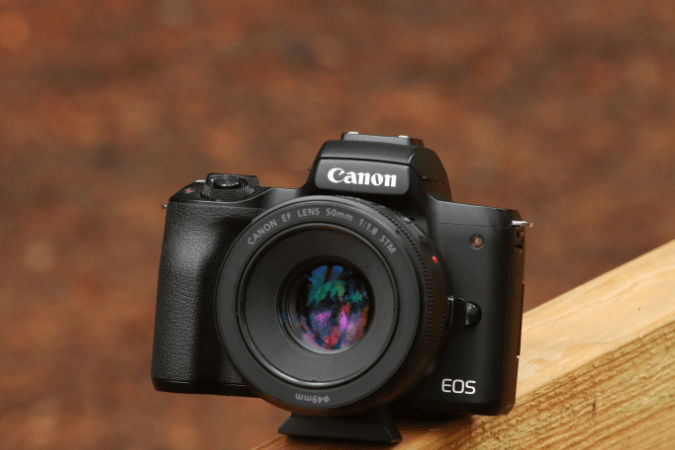
Top 5 Beginner Cameras: Finding the Right Fit for Your Photography Style
Choosing the right camera as a beginner can be daunting, but understanding your photography style is key to finding the perfect fit. The Top 5 Beginner Cameras provide a range of options to suit different needs and preferences. For instance, if you're interested in street photography, a compact mirrorless camera may offer the portability and versatility you need. On the other hand, if you prefer capturing stunning landscapes or macro shots, a DSLR with interchangeable lenses might be the better choice. Consider factors such as size, weight, and the types of photos you wish to take when making your decision.
Here are our top picks for beginner photographers:
- Canon EOS Rebel T8i - Ideal for those who want the classic DSLR experience.
- Nikon Z50 - A compact mirrorless option that delivers excellent image quality.
- Sony Alpha a6000 - A budget-friendly choice for those looking to dive into mirrorless photography.
- Fujifilm X-T200 - Combines stylish design with user-friendly features and great image quality.
- Olympus OM-D E-M10 Mark III - Perfect for travel and street photography with its lightweight body.
Each of these cameras brings something unique to the table, ensuring that you'll find the right match to enhance your photography journey.
Counter-Strike is a highly popular first-person shooter game that pits two teams against each other: the Terrorists and the Counter-Terrorists. Players engage in various modes, such as bomb defusal and hostage rescue, showcasing teamwork and strategy. If you’re looking for essential accessories for your new device, check out the Top 10 Camera Grips for iPhone 17 to enhance your gaming or photography experience. Over the years, Counter-Strike has evolved into a competitive esports title, attracting millions of players globally.
Understanding Camera Specifications: What to Look for as a Newbie
When starting out in photography, understanding camera specifications can be overwhelming. It's essential to focus on key elements that directly impact your photography experience. Here are some important specifications to consider:
- Sensor Size: Larger sensors capture more light and detail, which is especially beneficial in low-light situations.
- Megapixels: While more megapixels can give you larger prints, for many beginners, 12-20 megapixels is adequate for most purposes.
- ISO Range: A wider ISO range allows for better performance in various lighting conditions, giving you flexibility when shooting.
Another crucial aspect to consider is the lens compatibility of the camera. Different lenses can enhance your photography by allowing for various perspectives and effects. Additionally, review the autofocus system; a good autofocus system is particularly important for capturing fast-moving subjects, which can be a common scenario for beginners.
Finally, look into the video capabilities if you have an interest in videography. Many modern cameras offer excellent video quality, enabling you to explore different creative avenues without needing a separate device.
DSLR, Mirrorless, or Point-and-Shoot: Which Camera Suits Your Needs?
Choosing the right camera can significantly impact your photography experience and the quality of your images. When deciding between a DSLR, Mirrorless, or Point-and-Shoot camera, it’s essential to consider what you need from your device. DSLRs are known for their robust performance, high image quality, and versatility, making them an excellent choice for professional photographers or serious hobbyists. However, they can be bulky and heavy. On the other hand, Mirrorless cameras offer similar image quality in a more compact design and allow for real-time exposure previews, making them user-friendly for both beginners and experienced photographers alike.
If you're looking for convenience and simplicity, a Point-and-Shoot camera might be the best fit for your needs. These cameras are lightweight, easy to carry, and perfect for casual photography without the need to change lenses or adjust complex settings. Consider the following factors when making your decision:
- Budget: Determine how much you are willing to spend.
- Usage: Think about the scenarios in which you'll be taking most of your photos.
- Portability: Evaluate how important weight and size are for you.