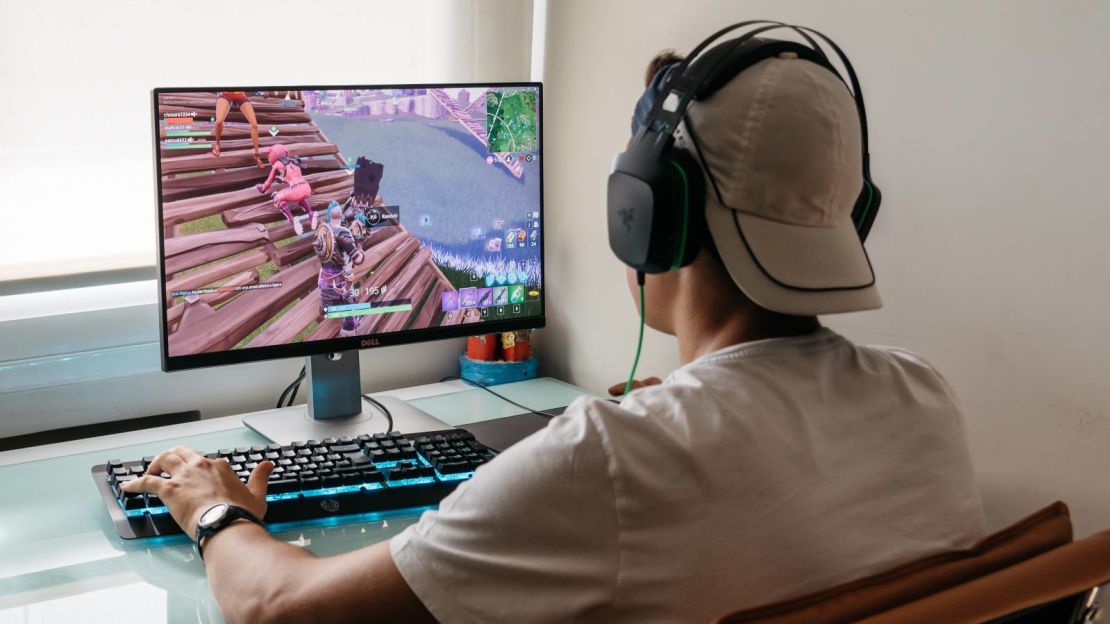
The Evolution of Game Graphics: From Pixels to Photorealism
The journey of game graphics has been nothing short of revolutionary, transitioning from the pixelated worlds of the early 1980s to today’s stunning photorealism. In the early days, games like Pac-Man and Space Invaders thrived on 8-bit graphics, where each pixel was a vital representation of character and environment. As technology advanced through the 16-bit era and into the age of 3D rendering, iconic titles such as Doom and Final Fantasy VII showcased incredible detail for their time, paving the way for more sophisticated graphics engines. The focus was not only on creating immersive environments but also on evoking emotions through visual storytelling.
As we entered the 21st century, the rise of technologies such as real-time ray tracing and enhanced shaders brought graphics closer to reality. Games like The Last of Us Part II and Cyberpunk 2077 exemplify this photorealistic leap, featuring lifelike characters and richly detailed environments. This evolution has prompted new discussions about the role of visual fidelity in gameplay, pushing developers to explore innovative narratives and mechanics. As we look to the future, it will be fascinating to see how far game graphics can evolve, potentially blending the lines between reality and virtual experiences.
Counter-Strike is a popular first-person shooter game that pits teams of terrorists against counter-terrorists in various objective-based scenarios. Players can choose to complete objectives, such as defusing bombs or rescuing hostages, which requires strategic thinking and teamwork. For an enhanced gaming experience, check out the Top 10 iPhone gaming accessories that can take your gameplay to the next level.
How Virtual Reality is Changing the Gaming Experience
Virtual Reality (VR) is revolutionizing the gaming industry by offering an immersive and interactive experience that traditional gaming methods cannot match. By utilizing headsets and motion sensors, players are transported into a 3D world where they can explore, interact, and even build their own realities. For instance, games like Beat Saber and Half-Life: Alyx exemplify how VR allows players to engage with their environment in ways that feel tangible and real. This shift is not merely a trend; it's a transformation that enhances player engagement and provides a new platform for storytelling.
The impact of VR on gaming goes beyond just a new way to play. It has the potential to foster social connections among gamers. With multiplayer capabilities, players can meet and interact with others in virtual spaces, creating a sense of community. Furthermore, VR is expanding the boundaries of game design, enabling developers to create more nuanced and emotionally engaging experiences. As technology continues to evolve, we can expect even greater advancements in the VR gaming landscape, paving the way for a future where virtual reality gaming becomes a staple in the industry.
What Makes a Game Immersive? Exploring the Role of Storytelling and Design
In the world of gaming, immersion is a key element that can significantly enhance the player experience. This sense of being deeply engrossed in a game often stems from the storytelling, which serves as the backbone of the player's journey. Well-crafted narratives can connect players emotionally to the characters and the world they inhabit, creating a sense of ownership and investment in the outcome. When a game offers a compelling backstory and rich lore, it invites players to explore every aspect of the game universe, allowing them to lose themselves in its intricacies and motivations.
Additionally, the design elements of a game, including graphics, sound, and interactive mechanics, play a crucial role in shaping its immersive quality. A stunning visual environment combined with evocative soundscapes can significantly elevate the realism of a virtual world. Moreover, intuitive design choices that enhance player agency—such as responsive controls and meaningful choices—allow players to feel like they are truly part of the game. Thus, the blend of storytelling and imaginative design creates a holistic experience that captures players’ hearts and minds, making them want to return time and time again.