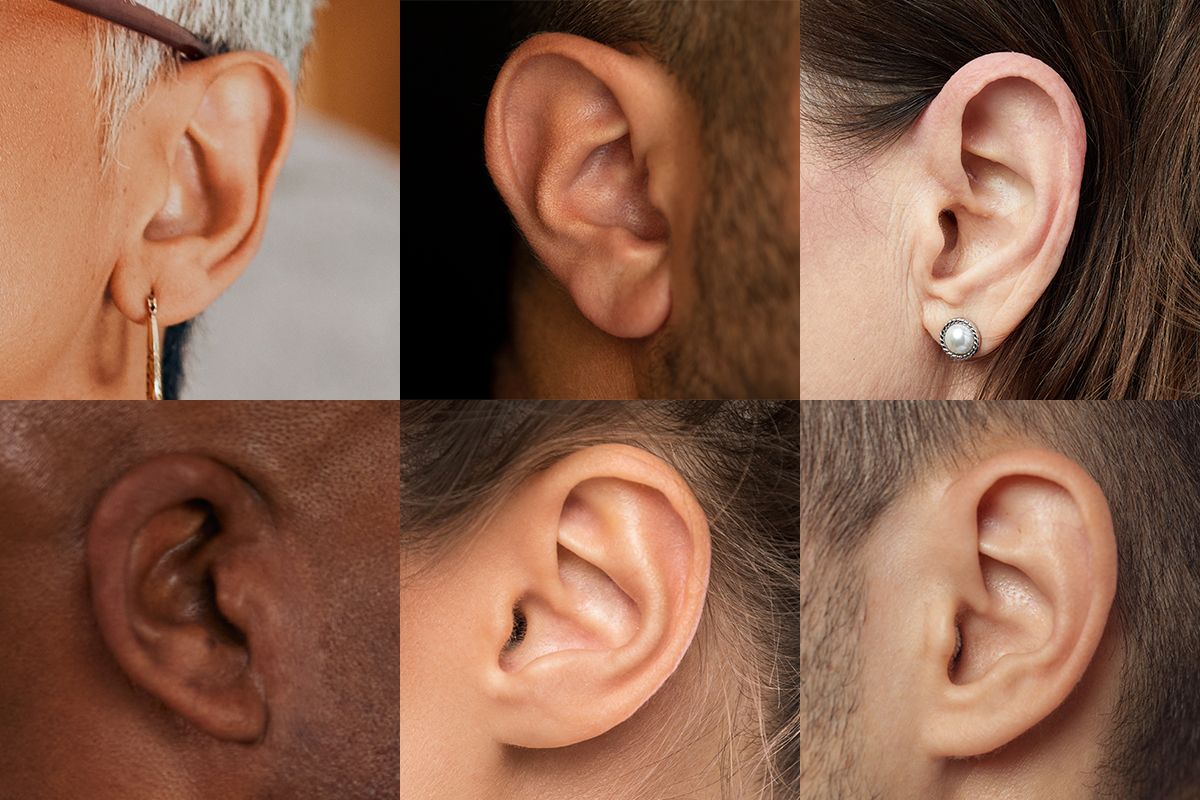
Unlocking the Power of Listening: Why Ear Size Doesn't Define Your Ability
Listening is an essential skill that transcends physical attributes, such as ear size. Contrary to popular belief, your ability to listen effectively is not determined by the dimensions of your ears but rather by your engagement and willingness to understand others. Great listeners are those who prioritize empathy and focus on the speaker, making them feel heard and valued. This powerful interpersonal skill plays a vital role in building connections, resolving conflicts, and fostering deeper relationships.
Moreover, the notion that ear size defines listening ability is a misconception that can limit individuals' self-esteem and social interactions. Listening involves more than just the physical act of hearing; it requires active involvement and cognitive processing. By honing your listening skills—such as practicing mindfulness, maintaining eye contact, and asking clarifying questions—you can unlock the true power of listening, regardless of your physical attributes. It's time to embrace the idea that valuable communication comes from your heart and mind, not your ears.
Counter-Strike is a highly popular first-person shooter game that emphasizes teamwork and strategy. Players can choose to play as terrorists or counter-terrorists, engaging in various mission objectives such as bomb defusal and hostage rescue. For gamers who enjoy immersive audio experiences, finding the right gear is essential, and you might want to check out the Top 10 Earbuds for Small Ears to enhance your gameplay.
Small Ears, Big Dreams: Techniques to Enhance Your Listening Skills
Having small ears doesn’t mean you can’t have big dreams, especially when it comes to enhancing your listening skills. Listening is a powerful tool that can improve your understanding and relationships in both personal and professional settings. One effective technique is to practice active listening, which involves fully focusing on the speaker, understanding their message, responding thoughtfully, and remembering key points. This can be achieved by maintaining eye contact, nodding in recognition, and refraining from interrupting. You can also try summarizing the speaker’s main points after they finish talking to ensure you’ve grasped their message.
Another great technique is to engage in mindfulness meditation. This practice helps sharpen your concentration and awareness, making it easier to focus on conversations and absorb what others are saying. Start by dedicating just a few minutes each day to sit in silence, paying attention to your breathing and the sounds around you. Over time, this will enhance your ability to listen without distraction. Additionally, you might consider listening exercises, such as taking part in discussions or listening to podcasts where you consciously focus on the information being presented. These strategies can transform your ability to listen actively and foster deeper connections.
Are You Listening? Common Myths About Ear Size and Auditory Potential
The relationship between ear size and auditory potential is often misunderstood, leading to several common myths. One prevalent belief is that larger ears correlate with better hearing abilities. However, scientific research shows that auditory potential is more closely related to the internal structures of the ear and the brain's processing abilities rather than the external size. The outer ear primarily serves to collect sound waves, while it is the inner ear and auditory pathways that play a crucial role in our ability to perceive and interpret these sounds.
Another myth revolves around the idea that people with smaller ears experience more hearing difficulties. This misconception can contribute to stigma and self-consciousness about one's appearance. In reality, hearing loss can affect individuals regardless of ear size, and factors such as age, genetics, and exposure to loud noises are far more significant. Understanding these myths can help promote a better appreciation of our unique auditory capabilities and encourage discussions around hearing health.