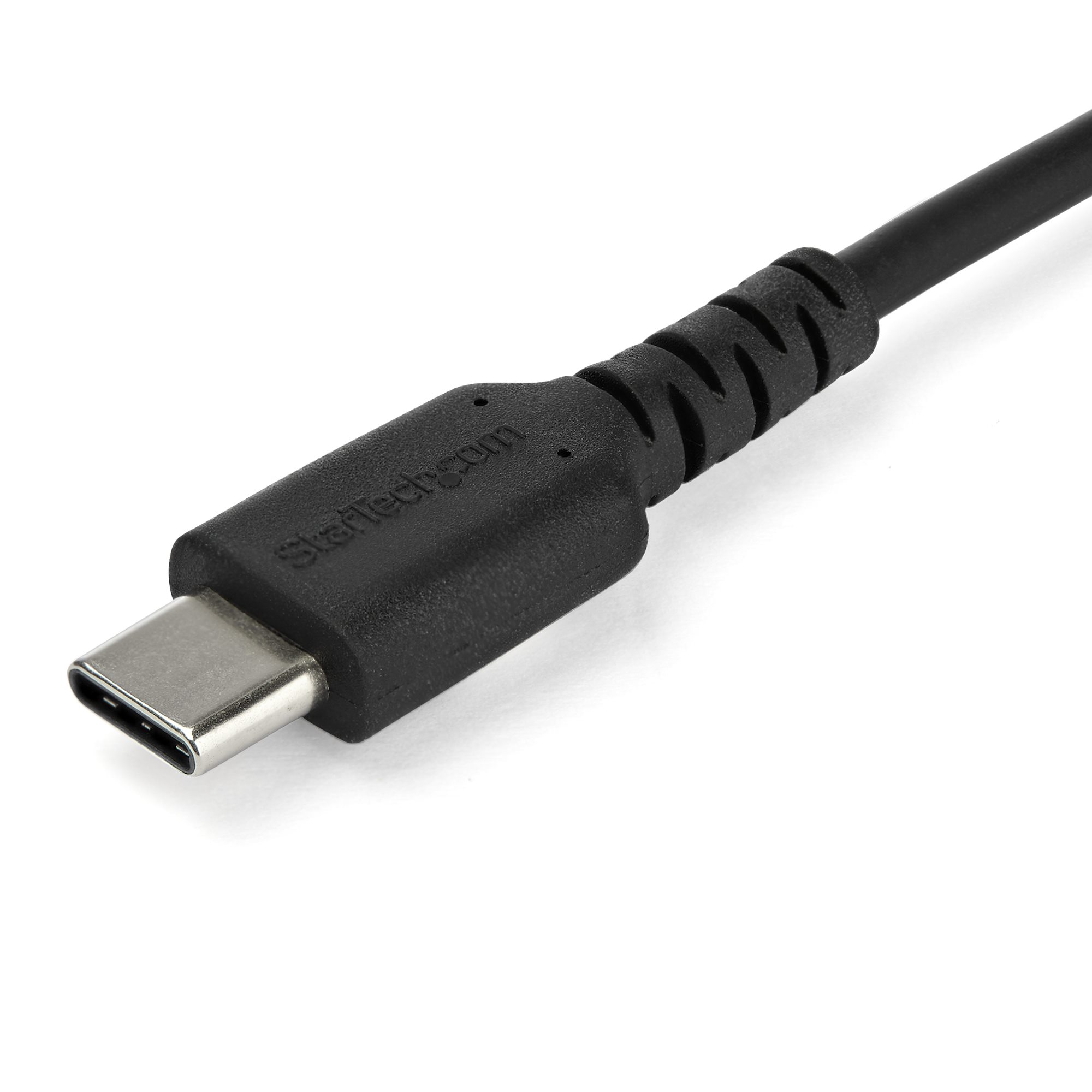
The Evolution of USB-C: Why It's the Connector of the Future
The evolution of USB-C has transformed the way we connect our devices, emerging as a versatile solution that promises to shape the future of connectivity. Launched in 2014, USB-C introduced a reversible design, making it user-friendly and eliminating the frustration associated with previous connectors. This innovative connector not only supports high-speed data transfer but also delivers power up to 100 watts, allowing users to charge laptops, smartphones, and tablets using a single cable. With the increasing demand for universal connectivity across diverse devices, USB-C has quickly become the go-to standard for manufacturers worldwide.
As technology advances, the advantages of USB-C continue to expand. With its ability to support various protocols, such as DisplayPort and HDMI, USB-C ensures seamless connectivity for everything from monitors to external drives. Furthermore, its compact design lends itself to the development of slimmer and more portable devices, catering to the ever-evolving needs of consumers. As the industry moves towards a more sustainable future, the growing adoption of USB-C is paving the way for a standardized connector that could potentially phase out older variants, making it the connector of the future.
Counter-Strike is a highly popular first-person shooter game that has become a staple in the esports community. Players are divided into teams, typically terrorists and counter-terrorists, and compete in various objective-based modes. For gamers using MacBooks, it's important to have the right accessories to enhance gameplay. Check out the Top 10 macbook docks to find the best options available.
Top 5 USB-C Devices You Didn't Know You Needed
In today's tech-savvy world, USB-C devices have become increasingly essential for enhancing productivity and convenience. While most people are familiar with the standard USB-C chargers and cables, there are several innovative gadgets that can significantly improve your daily routine. Here are the Top 5 USB-C Devices You Didn't Know You Needed:
- USB-C Hub: Transform your single USB-C port into multiple support ports, perfect for connecting various peripherals like monitors, hard drives, and USB devices.
- USB-C to HDMI Adapter: Easily connect your laptop or smartphone to high-definition displays for work presentations or movie nights.
- USB-C Power Bank: Ensure your devices are always charged on the go with a portable power bank that supports fast charging via USB-C.
- USB-C Earbuds: Enjoy high-quality sound without the hassle of tangling wires, all while keeping your device fully charged during usage.
- USB-C Microphone: Elevate your podcasting or video conferencing game with a high-quality microphone that connects seamlessly to your device.
Is USB-C Compatible with My Gear? A Comprehensive Guide
USB-C has rapidly become the universal standard for connecting a wide array of devices, but is it compatible with your gear? Understanding USB-C compatibility requires a look at the devices you own, from smartphones to laptops and peripherals. Most modern devices now feature a USB-C port, which offers several advantages, including faster data transfer rates and the capability to deliver power. However, legacy devices may still be using older USB standards, so it’s crucial to check your device specifications before making any purchasing decisions. Make a list of the devices you want to connect, and review their ports to determine their compatibility with USB-C.
To help simplify the process, here’s a quick checklist to determine USB-C compatibility:
- Check the model year of your device; newer models are more likely to support USB-C.
- Look for the physical port type; a USB-C port is oval compared to traditional USB ports.
- Review the manufacturer's specifications to find explicit mention of USB-C support.
- Consider using adapters for legacy devices that require conversion to USB-C.