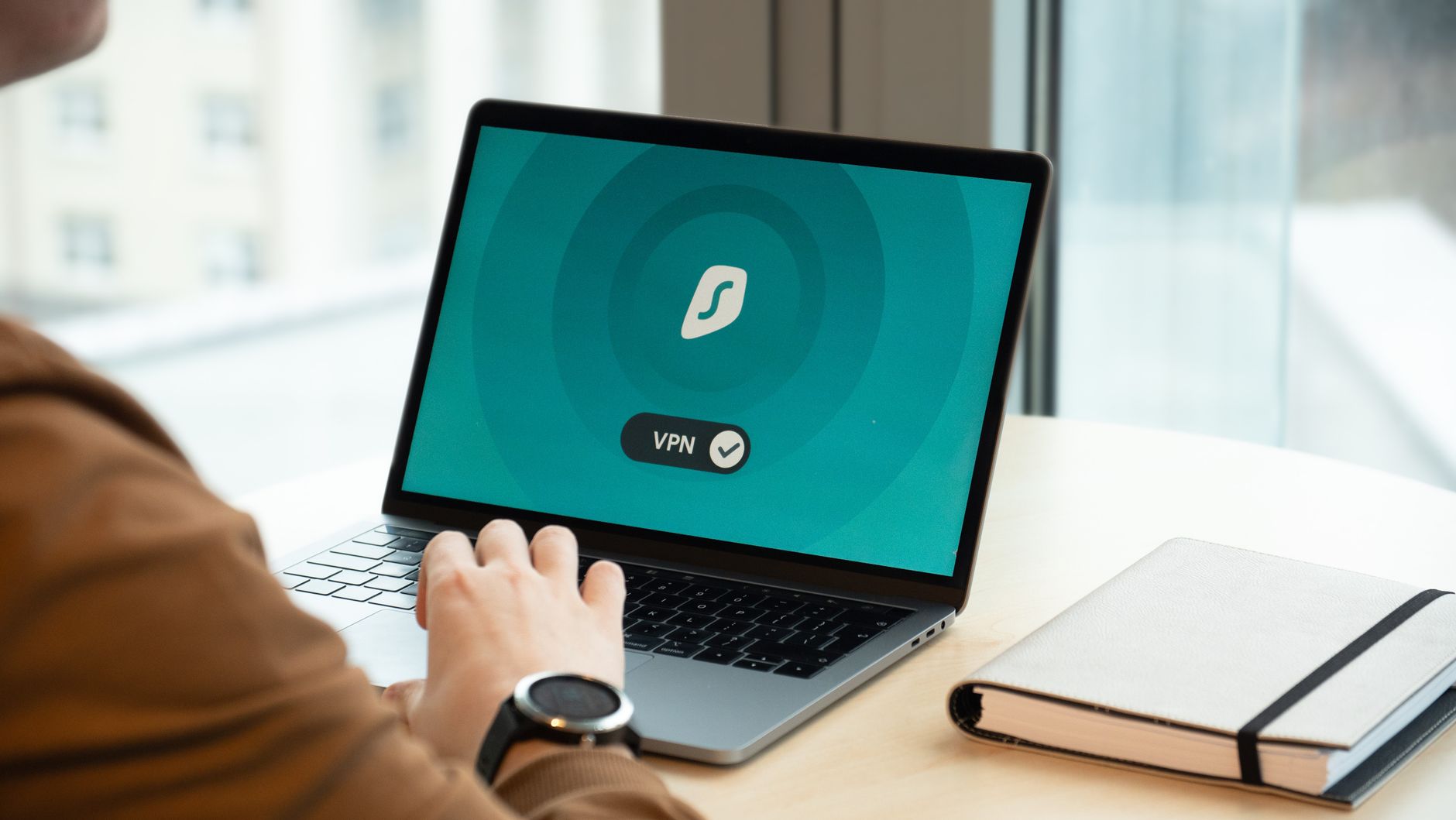
Beyond the 'Free' Label: Unmasking the Data Mining, Slow Speeds, and Security Risks That Come at a Price
The allure of a 'free' VPN or antivirus service can be tempting, promising digital freedom and protection without the financial outlay. However, this apparent bargain often comes with a hidden cost that significantly outweighs any perceived savings. Many free services operate by monetizing your data, transforming your browsing habits, personal information, and online activities into a valuable commodity. This can manifest in various ways, from targeted advertising to outright selling your data to third-party brokers. Consequently, what began as a quest for privacy can inadvertently lead to a greater erosion of it, as your digital footprint becomes a product to be traded, undermining the very purpose of utilizing such a service in the first place.
Beyond the insidious practice of data mining, 'free' digital services frequently suffer from a host of technical limitations that severely impact user experience and security. Expect frustratingly slow connection speeds, often throttling bandwidth to encourage paid upgrades, making streaming, gaming, or even basic browsing a chore. Furthermore, these free offerings typically lack robust security features, leaving you vulnerable to sophisticated cyber threats. Unlike their premium counterparts, free services often have:
- Limited server locations
- Outdated encryption protocols
- Absence of critical privacy features like a kill switch
Finding a reliable free VPN for streaming can be a challenge, as many services come with limitations on bandwidth or speed. However, some options exist that can provide a decent streaming experience. If you're looking for a free vpn for streaming, it's crucial to research their server locations and data caps.
Is Your 'Free' VPN a Trojan Horse? Practical Tips to Spot Shady Services and Safeguard Your Digital Privacy
The allure of a 'free' VPN can be incredibly tempting, promising anonymous browsing and unfettered access to geo-restricted content without a subscription fee. However, behind this appealing facade often lurks a darker reality. Many free VPN providers, lacking a legitimate revenue stream, resort to ethically questionable practices to monetize their services. This can include injecting intrusive ads into your browsing sessions, collecting and selling your personal data to third parties, or even bundling malware and spyware with their applications. Essentially, what you gain in perceived cost savings, you often lose in digital privacy and security, transforming a seemingly beneficial tool into a potential Trojan horse that compromises your online safety.
To safeguard your digital privacy and avoid falling victim to these shady services, a discerning approach is crucial. When evaluating a free VPN, always:
- Scrutinize their privacy policy: Look for clear statements about data logging, retention, and third-party sharing. If it's vague or non-existent, steer clear.
- Check for excessive permissions: Does the app request access to your contacts, photos, or location data unnecessarily?
- Read independent reviews: Seek out unbiased analyses from reputable tech sources, not just testimonials on the provider's own site.
- Consider their business model: If they offer a 'premium' paid version, it often indicates a more legitimate and transparent approach to their free offering, as they have a clear path to revenue generation without resorting to data exploitation.
Prioritizing these checks will help you differentiate genuine, privacy-focused services from those that view your data as a commodity.